Can You Gain Muscle on Indian Food? The Protein Math, Solved
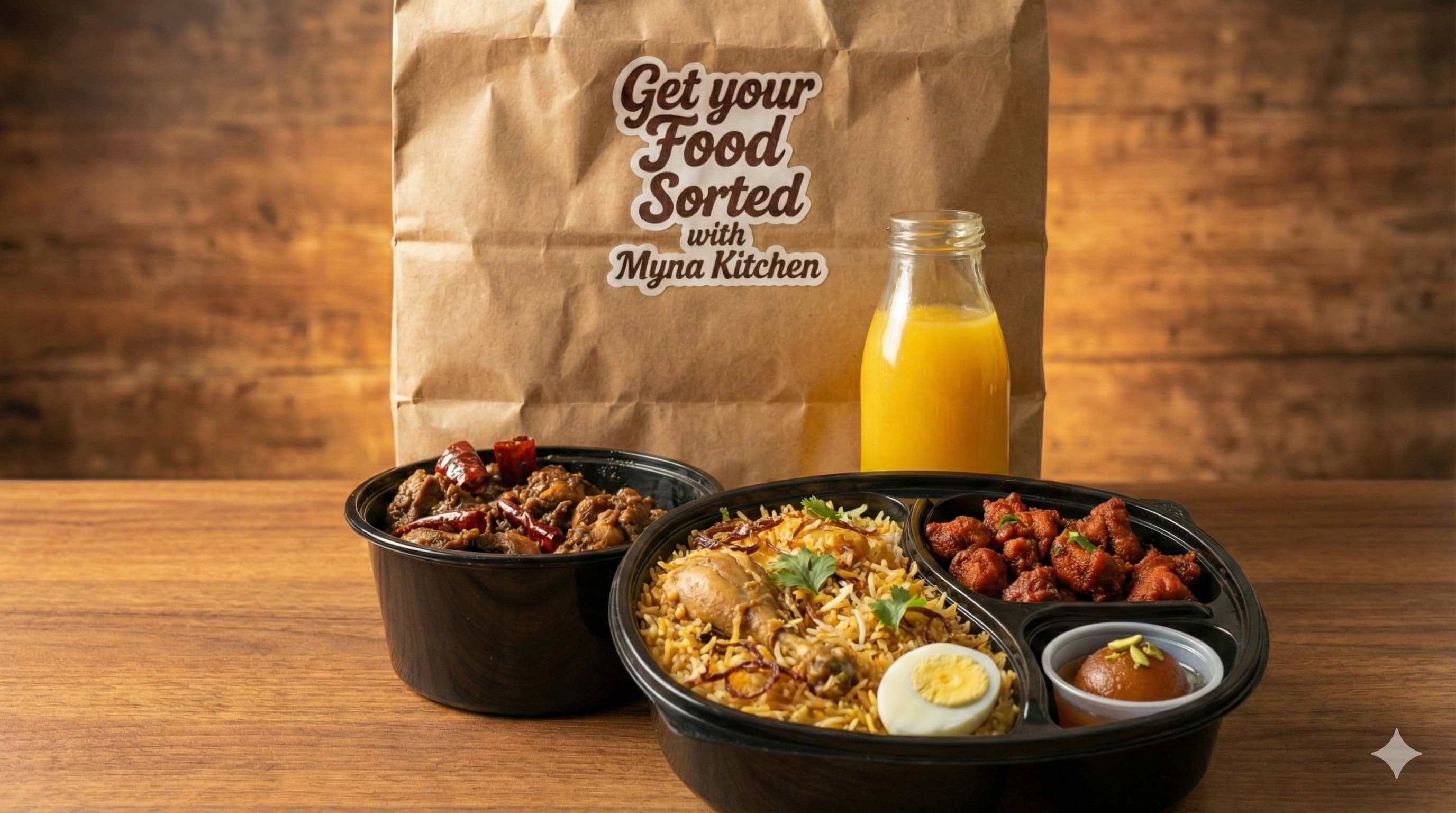
Indian food has a reputation for being carb-heavy — and a restaurant thali genuinely is. But the home-style version of the same cuisine is one of the easier ones to build muscle on, and it does not require a kitchen full of imported ingredients.
Where the reputation comes from
A restaurant thali is built around cheap fill: rice and roti in quantity, with protein portions sized as garnish. So is a delivery-app order — the economics of food delivered at ₹150 a plate do not allow for a real protein portion. The reputation is accurate for how most people now eat Indian food. It is wrong about the cuisine itself.
Home-style Indian food — the kind that predates delivery apps — is built on a different balance. A vegetable dish, a dal, a dairy element, a protein course, and bread or rice sized as one part of the plate rather than the whole thing. That is a workable muscle-building structure.
The protein sources that are already in your kitchen
| Source | Protein (per 100g cooked) | Note |
|---|---|---|
| Chicken (gravy) | ~25g | The cheapest high-protein option in the cuisine |
| Paneer | ~14g | Protein-dense but calorie-dense — watch the oil |
| Egg | ~13g | Two at breakfast is the cheapest 25g in Chennai |
| Soya chunks | ~52g | Dry weight — the highest protein-per-rupee item there is |
| Rajma / chana | ~9g | Heavier dals — protein and fibre together |
| Curd / milk | ~3–4g | Not a protein source on its own, but it adds up across a day |
Nothing exotic and nothing imported. Six things you can buy within walking distance of most Chennai apartments, and together they carry the whole protein requirement.
The one adjustment that matters
Portion the protein first, then the carb. In most Indian households the rice or roti is served first and the protein follows as one dish among many. Reversing that single habit — protein portion sized to your target, carb sized to your activity — is the whole difference between a plate that builds muscle and a plate that maintains it.
The food stays the same. The structure changes.
A home-style plate built for training
- Protein course first — chicken, egg, paneer, or soya sized to your target
- One dal — rajma or chana, not the lighter toor dal, on training days
- One vegetable — for fibre and volume, not calories
- Carb sized to the day — training day gets more, rest day gets less
What about the oil?
Restaurant gravies are where the calorie blowout happens, not the core ingredients. The same chicken curry cooked home-style has roughly half the oil of the restaurant version, which means the protein arrives without 400 calories of cooking fat attached. This is the single biggest reason people who switch from delivery food to home-style food drop body fat without changing anything else — the protein goes up and the oil goes down at the same time.
So, can you build muscle on Indian food?
Yes, and more easily than on most cuisines, because the protein sources are cheap, widely available, and already part of what you eat. The barrier is not the food — it is the portion structure and the consistency, which is exactly what a meal plan exists to solve.
Home-style food, portioned for training
High-protein options on every plan, with calories and protein published per meal.
See the Standard PlanGet a call back
Leave your number — we'll recommend the right option, usually the same day.