High-Protein Meal Plans in Chennai: What 100g a Day Actually Looks Like
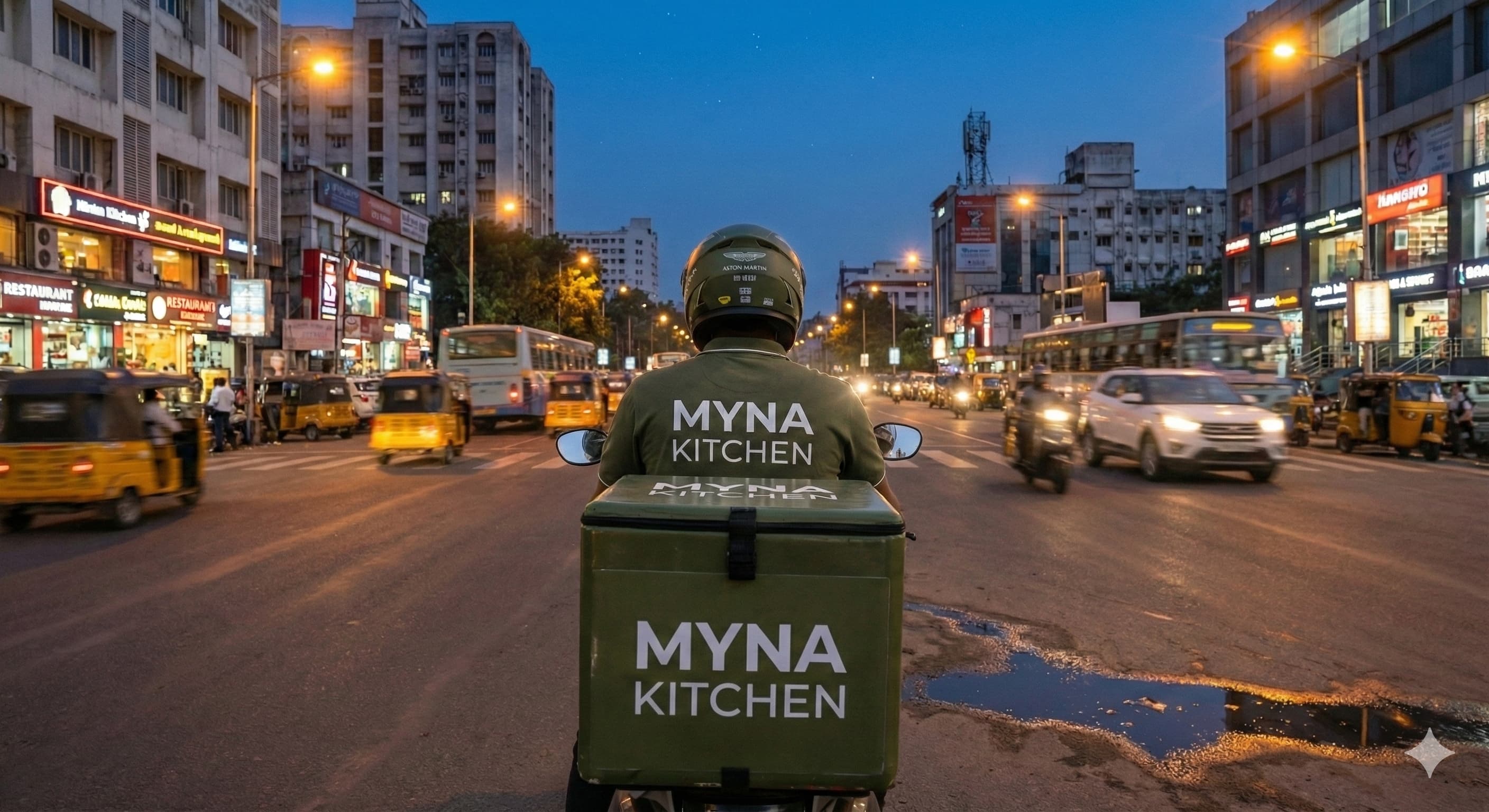
Most Chennai meal subscriptions land somewhere around 40g of protein a day. That is fine if you are not training. If you are, it is the reason your lifts stall while your calories are spot on.
The standard Chennai tiffin plan is built for someone who wants a full stomach at lunch. Three rotis, a bowl of rice, sambar, a vegetable, and curd — the protein in that lands between 12 and 18g. Two meals like that plus breakfast, and you end the day around 45g.
For someone training three or four times a week and weighing between 60 and 80kg, the target is somewhere between 100g and 150g a day. That is not a small gap. And the usual answer — “eat more dal” — does not close it.
Why “just eat more dal” does not work
Dal is good food. It is also roughly 70% carbohydrate by calories, which means closing a 60g protein gap with dal alone brings 1,800 extra calories of carbs with it. That is a bulking strategy, not a protein strategy.
The protein-dense foods in an Indian kitchen are the ones people already eat, just not in the quantities a training schedule needs: paneer, egg, chicken, curd, soya, milk, and the heavier dals like rajma and chana. The work is not swapping the cuisine — it is portioning the protein up and the carb down, without making the plate feel like a diet.
What a 100g day looks like in real food
| Meal | Protein | Where it comes from |
|---|---|---|
| Breakfast | ~25g | Two eggs plus dosa batter and a cup of milk |
| Lunch | ~40g | Chicken or paneer portion, rice reduced, sambar kept |
| Snack | ~10g | Curd or buttermilk with a small handful of nuts |
| Dinner | ~30g | Roti with a heavier dal or gravy portion |
Nothing on that list is unusual food. The difference from a standard plan is the protein portion is sized for a training day, and the rice and roti are sized to match the activity level rather than the habit.
Why most meal plans miss it
Subscription meals are costed per plate, and protein is the most expensive thing on the plate. A plan priced for the market cannot put 40g of chicken in a lunch box and stay competitive. So the protein portion lands at what the price allows, and the customer who is training is told to add supplements on top.
This is the reason our Standard plan has a separate high-protein line — the costing has to be honest or the protein claim is not real. If a plan advertises high protein but will not tell you the grams per meal, the number is usually decorative.
What to check before you trust any high-protein claim
- Grams of protein per meal, not “protein-rich” or “high-protein”
- Calories listed alongside the protein — a 900kcal “high protein” lunch is a bulk
- Whether the protein comes from food you recognise, or a fortified powder
What it costs
Protein is the one ingredient where cheaper really is worse, but the markup is not linear. The gap between a plan that delivers 45g a day and one that delivers 100g is roughly the cost of the protein itself — for most people in Chennai that works out to a difference of between ₹40 and ₹70 a day, not a doubling of the bill.
If you are paying for a subscription that leaves you buying protein powder to make up the difference, the total cost is already higher than the better plan would have been.
Want the plan that actually publishes its protein?
Calorie and protein details are published for every meal on the Standard plan.
See the Standard PlanGet a call back
Leave your number — we'll recommend the right option, usually the same day.